
Getting a deck ready for winter around Charlotte is mostly simple upkeep. Clear leaves, pine needles, and debris off the boards and out of the gaps so water can drain. Walk the deck and check the ledger where it meets the house, the flashing, fasteners, railings, and stairs before the wet season. Move planters and rugs that trap moisture. If you have a wood deck that needs a new coat of stain or sealer, apply it only when the forecast fits the product label, which often means dry wood and temperatures of about 50°F or higher. For the occasional ice or snow, use a plastic shovel and the de-icer your decking maker allows. Anything soft, loose, or wobbly is a reason to call a qualified deck professional rather than wait for spring.
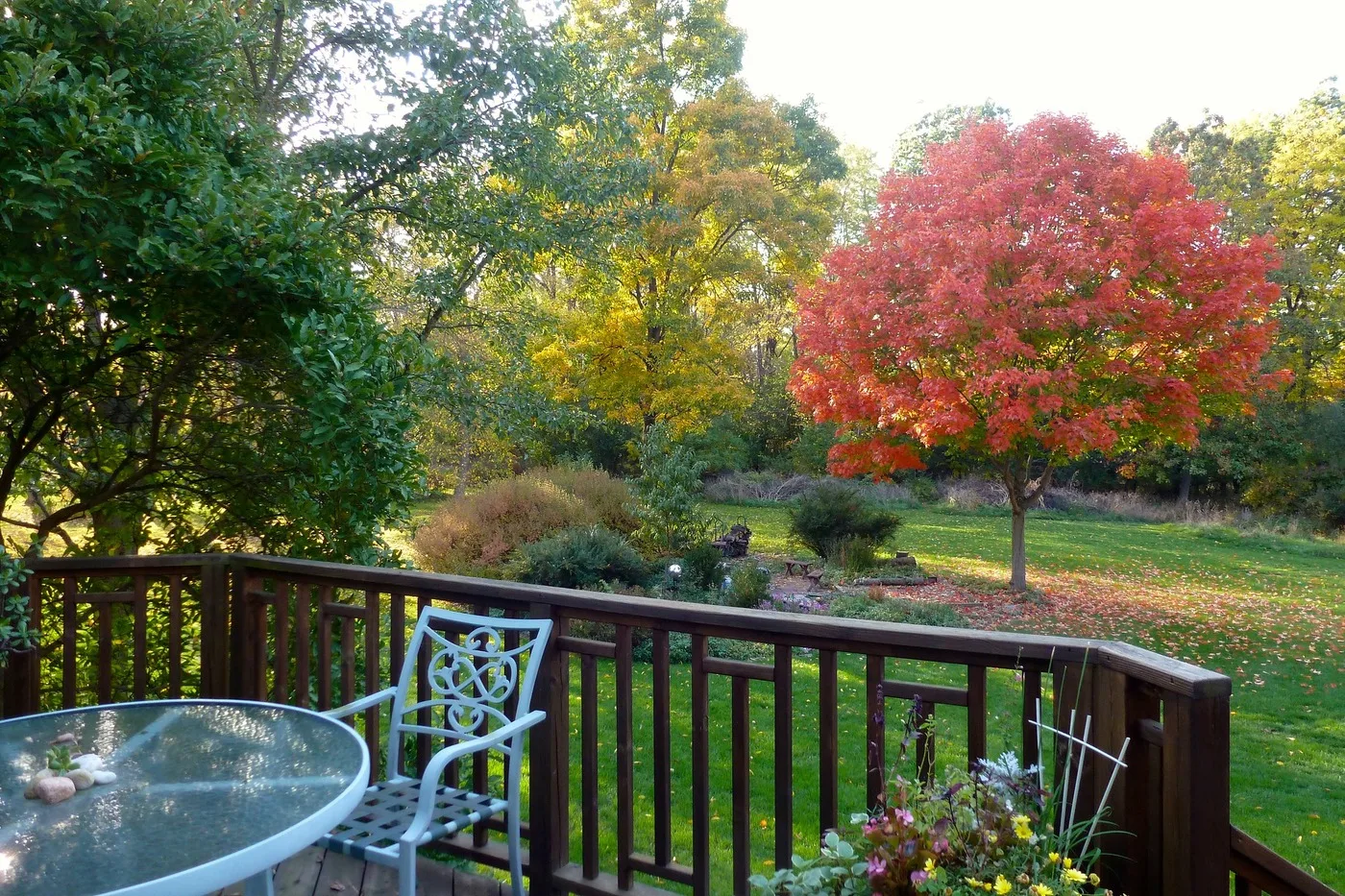
What Winter Actually Asks of a Charlotte Deck
Charlotte winters are mild compared with much of the country, but they still put a deck through a lot. Late fall drops a heavy load of oak, maple, and pine debris. Winter brings long stretches of cold rain, nights below freezing, and the occasional round of ice or snow. Shorter days mean the boards stay damp longer, and the deck gets used less, so small problems go unnoticed.
None of this calls for shutting the deck down. The goal of fall prep is to keep water moving off and away from the structure, catch safety issues before the wet months, and protect the surface so it looks good when spring arrives. The steps are similar for wood and composite decks, with a few differences in finishing and de-icing.
Clear Leaves, Pine Needles, and the Gaps Between Boards
The single most useful fall task is keeping the surface clear. The North American Deck and Railing Association (NADRA) points out that leaves and debris left on a deck can be slippery and promote mildew. Wet leaves also leach tannins. Trex's care guidance addresses leaf staining and wood tannins on composite boards, noting that this kind of discoloration can fade with normal weathering or be lightened with a deck brightener, but it is easier to avoid by not letting wet leaves sit.
Sweep or use a leaf blower every week or two while the trees are dropping, and pay attention to the gaps between boards. Those gaps are how rain and melting ice leave the deck. When they pack with needles and seed pods, water sits on the boards and in the framing below. A thin putty knife or a deck gap cleaning tool can clear stubborn spots.
Move or lift anything that traps moisture against the boards. Planters, outdoor rugs, doormats, and furniture with flat feet hold water and debris through a wet winter and can leave marks. Pot feet or risers under planters and a quick shift of rugs and furniture make a noticeable difference by spring.
Walk the Deck Before the Wet Season
Fall is a good time for a careful look, because problems that are minor now get worse with months of rain and freeze-thaw cycles. NADRA's homeowner checklist covers the main points, and most of them take only a few minutes.
Start where the deck meets the house. NADRA calls the ledger board, which attaches the deck to the home, a common source of deck failure, and it recommends checking that the flashing over it is sound and keeps water from collecting between the deck and the house. Then work outward to the parts you touch and walk on.
- Ledger and flashing: look for rot, gaps, rust streaks, or water staining where the deck meets the house
- Wood condition: probe damp areas, posts, and stair stringers with a screwdriver; wood that is soft or spongy may be decaying
- Fasteners: tighten loose screws, set popped nails, and note any corroded hardware or connectors
- Railings: push firmly on guards and handrails; they should not move or sway
- Stairs: check that treads, risers, and stringers are firm and that the stairs do not shift underfoot
- Overhead trees: look for dead limbs that could fall on the deck during a winter storm
Wood Decks: Seal or Stain Only When the Weather Allows
If a wood deck looks dry, gray, or absorbs water quickly, it may be due for a new coat of stain or sealer. Timing is the hard part in late fall. Cabot, for example, says to apply its deck stains when air and surface temperatures are between 50°F and 90°F and not to apply if rain is expected in the next 12 to 24 hours, and some of its products should not be used if temperatures may fall below 50°F within 48 hours. Requirements vary by product, so the label on the can is the rule to follow.
Around Charlotte, late November and December can bring mild, dry afternoons followed by cold nights, which can fall outside a product's window even when the day feels fine. If the forecast does not cooperate, it is usually better to clean the deck, clear the debris, and plan the finish for a dry spring stretch than to apply stain that cannot cure properly.
Capped composite decking generally is not stained or sealed the way wood is. Follow the cleaning and care guide for your specific brand and product line, since recommendations differ between product generations.
Handling Ice and Snow Without Damaging the Boards
Snow and ice do not happen every winter in the Charlotte area, but it helps to know what your decking allows before a storm. Trex's care guidance says a plastic shovel may be used to remove snow, never a metal one, because a metal shovel can scratch or chip the surface and that damage is not covered by its warranty. Trex also says calcium chloride or rock salt can be used to melt ice on its decking, and that it should be rinsed off when practical.
Other composite, PVC, and wood products have their own rules, so check the manufacturer's care guide before you buy ice melt. Push snow along the length of the boards rather than across them, avoid chipping at ice, and keep stairs and the main path clear first. Do not pile snow against the house, the railings, or the ledger area, where melting water can sit.
Keep Water Moving Away From Posts and Footings
A deck can stay in good shape on top and still suffer from water below it. Before winter rains, make sure nearby gutters are clear and downspouts discharge away from deck posts and footings, not right beside them. Look under the deck for low spots where water pools, soil washing away around posts, or debris piled against framing.
If the space under a raised deck stays wet or you would like to use it as dry storage or a patio, that is a separate design question worth planning before you add anything underneath.
Plan for Short Days and Winter Use
Winter means using the deck in the dark more often. NADRA recommends making sure all deck lighting works, cleaning light covers, and trimming plants that block the light. Stair lighting in particular helps on wet evenings when boards can be slick.
If you grill or use a patio heater or fire feature on the deck through the winter, follow each appliance's clearance instructions and protect the surface as the manufacturer directs. NADRA advises keeping heat sources away from flammable surfaces or using a non-flammable pad under them.
Some homeowners decide after a season of wet boards and cold evenings that they want part of the deck covered. A solid insulated patio cover or a louvered pergola over a deck has to be planned around the deck's structure and any permit requirements, so it is best treated as a design project rather than an add-on.
A Quick Fall Deck Checklist
Use this list as a weekend plan in November or early December, adjusting for your decking material and the forecast.
- Sweep or blow off leaves and needles, and clear the gaps between boards
- Lift planters onto risers and move rugs, mats, and flat-footed furniture
- Check the ledger, flashing, fasteners, railings, and stairs
- Clean the deck with a cleaner approved for your decking material
- Stain or seal wood only if the label's temperature and dry-weather window is met
- Buy a plastic shovel and the ice melt your decking maker allows
- Clear gutters and point downspouts away from posts and footings
- Test deck and stair lights and replace dead bulbs
Planning a new deck or a covered deck?
Request a free consultation with Unique Patio Concepts. We can talk through decking materials, railings, lighting, and whether a patio cover or louvered pergola could make your deck more usable through Charlotte's wetter months.
Request a free estimateFrequently asked questions
Do I need to seal my deck before winter in Charlotte?
Only if it needs it and the weather allows. A wood deck that looks dry or soaks up water may benefit from a fresh coat, but stain labels set temperature and dry-weather requirements. Cabot, for example, calls for air and surface temperatures between 50°F and 90°F and no rain for 12 to 24 hours. If late-fall weather does not fit, clean the deck and plan the finish for spring. Capped composite decking generally is not sealed like wood; follow its maker's care guide.
Can I use rock salt or ice melt on a composite deck?
It depends on the brand. Trex says calcium chloride or rock salt can be used on its decking and should be rinsed off when practical, and it warns against metal shovels. Other composite and PVC products have their own guidance, so check your manufacturer's care guide before using any de-icer.
Should I cover my whole deck with a tarp for the winter?
Usually that is not necessary. A tarp can hold moisture, leaves, and debris against the boards for weeks. Keeping the surface clear, the board gaps open, and water draining away tends to be the better approach. Breathable covers on furniture are a different matter and can help keep cushions and frames clean.
Is it okay to leave furniture and planters on the deck all winter?
Yes, as long as they do not trap water. Put planters on pot feet or risers, move outdoor rugs and mats, and shift furniture occasionally so the same spots do not stay wet and dirty all season.
When should I call a professional about my deck?
Call a qualified deck professional or inspector if you find soft or spongy wood, a ledger that looks loose or water-stained, rusted or missing connectors, railings that move, or stairs that shift. NADRA also notes that older decks deserve closer scrutiny, since some were built before current attachment practices.